
Showing posts with label local urgent care center. Show all posts
How to Treat Your Heart Disease
There
are about 5 million Americans with heart failure. This is one of the
leading causes of hospitalization in older adults. The heart
continues to pump, but not efficiently and reduces the circulation of
blood to carry oxygen throughout the body. The heart itself will
stretch and reduces the elastic nature of the cardiac muscles. Many
times patients will have swelling in their hands, feet, or face.
Heart failure does get worse over time.

There
are different causes of congestive heart failure including:
- blocked arteries
- a heart attack which destroys part of the heart muscle
- cardiomyopathy or an enlarged heart
- high blood pressure
- heart valve problems
- thyroid problems
- kidney problems
- diabetes
- heart defects
Your doctor may do testing such as bloodwork, chest x-rays, will an echocardiogram to measure the heart's pumping ability, and an EKG to see the heart's electrical activity.

The
treatment for heart failure is to reduce stress on the heart and keep
the blood pressure normal. Patients also have to avoid salt and other
foods that are known to increase blood pressure. Patients will check
their weight every day and call their doctor if they gain more than 1
or 2 pounds within a few days. This weight actually comes from fluid
that is not being circulated properly.
If
you think you have heart failure for a family member has signs of
heart failure, make an appointment to see your doctor right away.
Early treatment is the best option to control the symptoms and
prevent hospitalization.
Body Mass Index - Get Advice and Information on Healthy Weight
The
Body Mass Index, also called the BMI, is used to determine general
health based on a person's weight and height. It is used as a
screening tool to identify weight problems in adults. There are
several calculators available online that can help you determine your
BMI score.

A
score between 18 and 25 is generally considered normal. BMIs above
this number would be in the overweight or obese category. Elevated
BMI values have been linked with high blood pressure, high
cholesterol, diabetes, cardiovascular problems, and breathing
problems.
Talk
with your doctor to get your BMI score. This will be an easy way for
you to determine what steps to take to keep your body healthy. http://www.cdc.gov/healthyweight/assessing/bmi/adult_bmi/index.html
Something is in my eye!
Foreign bodies in the eye
When physicians refer to "foreign bodies" in regards to the human eye, they are talking about anything that has found a way on top of or into the patient's eyeball. This ranges from the occasional stray eyelash, to the wayward flying insect.
 The eye can increase the volume of tears it produces in order to flush out the foreign body as a natural defense. For smaller bodies, this response alone is enough to resolve the problem. However, some foreign objects- such as pieces of metal- require medical assistance for removal.
Symptoms and Causes of Foreign Eye Bodies
Most individuals who are able to feel pain will know immediately when they have a foreign body in their eye. The feeling ranges from mild discomfort to extreme pain in the eyeball and surrounding areas. Additional symptoms include:
* Eye redness
* Eye pain
* Eye Bleeding- internal and/or external
* Blurred or loss of vision
The main cause of a foreign eye body is inadequate eye protection. For example, helmets with face guards strongly recommended for motorcycle drivers to protect their eyes from swiftly moving bodies carried on the wind. For professions and tasks that include metal working, carpentry, and painting, proper eye protection is also recommended.
Major foreign bodies in the eye require immediate medical attention to prevent further injury and infection to the eye. Seek help from your local urgent care center for targeted, quick medical care for the removal of the foreign body.
When physicians refer to "foreign bodies" in regards to the human eye, they are talking about anything that has found a way on top of or into the patient's eyeball. This ranges from the occasional stray eyelash, to the wayward flying insect.
Symptoms and Causes of Foreign Eye Bodies
Most individuals who are able to feel pain will know immediately when they have a foreign body in their eye. The feeling ranges from mild discomfort to extreme pain in the eyeball and surrounding areas. Additional symptoms include:
* Eye redness
* Eye pain
* Eye Bleeding- internal and/or external
* Blurred or loss of vision
The main cause of a foreign eye body is inadequate eye protection. For example, helmets with face guards strongly recommended for motorcycle drivers to protect their eyes from swiftly moving bodies carried on the wind. For professions and tasks that include metal working, carpentry, and painting, proper eye protection is also recommended.
Major foreign bodies in the eye require immediate medical attention to prevent further injury and infection to the eye. Seek help from your local urgent care center for targeted, quick medical care for the removal of the foreign body.
Itchy Scalp: Is it Lice?
Head Louse 101
Unfortunately, head lice (also known as Pediculus humanus capitis) is a condition that many people at any given time of their life will experience. Head lice is common parasitic infestation of the scalp that occurs after head-to-head contact. The louse itself cannot fly, and it is not able to survive for more than 48 hours without feeding on a human host.
The head louse is usually small, about the size of flake of skin. They feed on blood, and the scalp itching commonly associated with head lice occurs when the head louse bites their host.
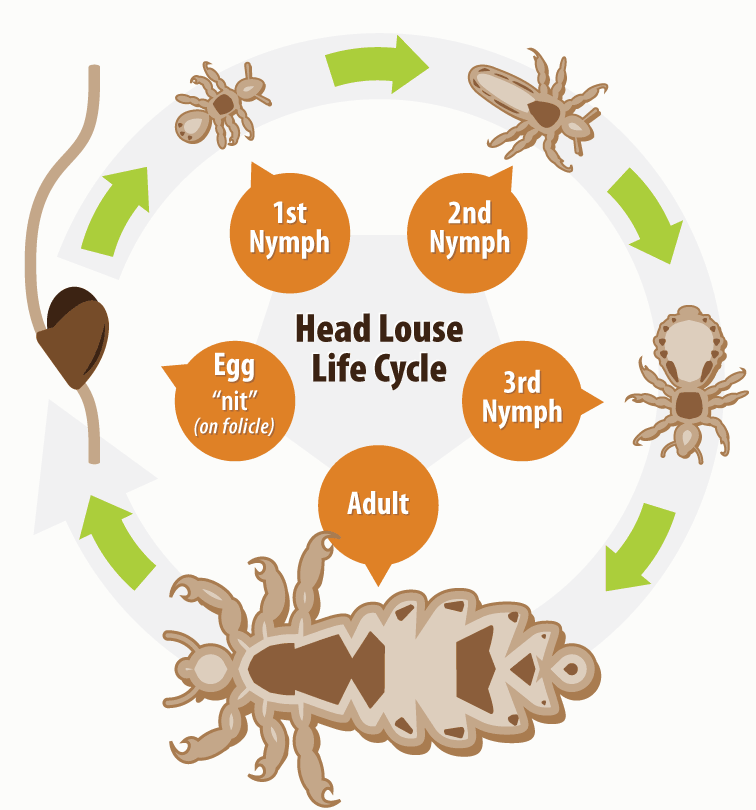
Head Lice Treatment
This condition is not particularly serious, and most experts will recommend over-the-counter lice treatment shampoos and lotions for mild to moderate infestations. Examples of common head lice treatments include:
* NIX
* RID
* Lice Sheild
* LiceMD
* LiceFreee!
Additionally, some medical experts advise not resorting to medication at all. At-home treatments include combing through the patient's hair systematically with a special lice and nit comb while the hair is wet or saturated hair conditioner. With this method, the patient or a caretaker helping the patient should systematically part the hair in locks, and run the comb to remove adult lice, nits, and eggs. Patients in areas where pesticide-resistant lice varieties are rampant are encouraged to use the nit comb technique.
However, when over-the-counter lice treatments fail, the patient will need to visit their physician for prescription strength head lice treatment. This may include a strong hair lotion or shampoo. Severe infestations that are nonresponsive to other treatments may even require a pill medication.
If you feel like over-the-counter head lice treatment is not working for you or your child, seek medical advice from your PCP, or urgent care provider over the weekends.
Unfortunately, head lice (also known as Pediculus humanus capitis) is a condition that many people at any given time of their life will experience. Head lice is common parasitic infestation of the scalp that occurs after head-to-head contact. The louse itself cannot fly, and it is not able to survive for more than 48 hours without feeding on a human host.
The head louse is usually small, about the size of flake of skin. They feed on blood, and the scalp itching commonly associated with head lice occurs when the head louse bites their host.
Head Lice Treatment
This condition is not particularly serious, and most experts will recommend over-the-counter lice treatment shampoos and lotions for mild to moderate infestations. Examples of common head lice treatments include:
* NIX
* RID
* Lice Sheild
* LiceMD
* LiceFreee!
Additionally, some medical experts advise not resorting to medication at all. At-home treatments include combing through the patient's hair systematically with a special lice and nit comb while the hair is wet or saturated hair conditioner. With this method, the patient or a caretaker helping the patient should systematically part the hair in locks, and run the comb to remove adult lice, nits, and eggs. Patients in areas where pesticide-resistant lice varieties are rampant are encouraged to use the nit comb technique.
However, when over-the-counter lice treatments fail, the patient will need to visit their physician for prescription strength head lice treatment. This may include a strong hair lotion or shampoo. Severe infestations that are nonresponsive to other treatments may even require a pill medication.
If you feel like over-the-counter head lice treatment is not working for you or your child, seek medical advice from your PCP, or urgent care provider over the weekends.
Blood Clots Part 2: What causes blood clots anyway?
Blood clots show that platelets are doing their
job
Sometimes, accidents happen during Christmas season. You may cut your finger open when preparing a holiday meal. However, you know that if you are a healthy individual, the cut will form a blood clot and start to heal on its own, even without medical care from your local urgent care center.
When a patient discusses tissues,
organs and organ systems, often they forget that blood is a vital
tissue as well. Blood consists of three cells which circulate in
plasma: white blood cells, red blood cells, and platelets.
Blood clots rely on a blood cell
known as a platelet. Platelets are fragments from a bone
marrow cell, and they are responsible for the human body’s most
basic injury care function: closing the skin to keep from bleeding
excessively and to keep pathogens out of the body.

Platelets are the key component to
coagulation, aka thickening the blood in places where blood and
oxygen meet. Additionally, platelets present bleeding when the skin
is not broken because they prevent blood leakage in capillaries (the
smallest blood vessels). This function- regulating bleeding- is why
platelets are critical to human survival.
What happens when the skin gets injured?
Superficial blood clotting occurs in stages:
- In the first stage, a substance called collagen comes into contact with blood and the damaged cells release a substance called phospholipids.
- In the second stage, platelets circulating in the damaged area stick to the collagen and form what is charmingly called, “a platelet plug.” This “plug” forms the initial barrier to stop external bleeding.
- Plasma proteins start a series of chemical reactions with the platelet’s enzymes to create a substance called prothrombin, an early coagulation factor.
- Once prothrombin is created, another enzyme reaction leads to the creation of the enzyme thrombin/thrombase. Thrombin sets the stage to create the blood clot.
- With thrombin in place, a substance in blood plasma called fibrinogen creates another enzyme reaction to form fibrin. It is insoluble, meaning it don’t dissolve in water. The “blood clot” that we are familiar with that forms on our skin and stays there until it calls off is in the fibrin stage.
The human body’s processes for
injury care have more stages than most non-medical professionals are
aware of. Any defects at any of these clotting stages- like Von
Willebrand’s disease or hemophilia- should be treated by a
Hematologist (a doctor who specializes in blood disorders). However,
for minor emergencies like large lacerations that happened when you
fell off the ladder when hanging Christmas lights, see your local
urgent care center in Houston to help your body with what it
already does best.
-Carolyn A. Medrano
West Oaks Urgent Care
Blood Clots Part 1: DVT’s
What is a DVT?
DVT is an acronym for Deep Vein Thrombosis. Another word for blood clot is embolism.
It is a condition that occurs when a
blood clot forms in the deep, large veins, usually in the left. Some
patients question the severity on this condition. After all, they’ve
experienced a blood clot before. Superficially, blood clots save
their life and keep them from bleeding when their skin is cut.
However, blood clots that occur in the deeper veins are life
threatening because they can come loose and travel to more important
deep veins- such as in the heart, lung, or brain.
Blood clots in the heart, coronary
embolisms, can lead to clogging of the heart’s arteries,
stunting blood flow and possibly having fatal results.

In the lungs, a blood clot is called
a pulmonary embolism. Patient’s PE’s present with
difficulty breathing (shortness of breath), bloody coughing, and
chest pain. Embolisms in the brain can lead to a fatal stroke.
How do you diagnose a DVT?
Symptoms of a DVT include:
-Pain (in the leg, the pain feels
deep in the calf or thigh)
-Swelling (there is significant swelling in the limb)
-Redness and warmth (usually accompanied with swelling, the limb will look and feel warm because of the build-up of blood backed up in the vein)
-Swelling (there is significant swelling in the limb)
-Redness and warmth (usually accompanied with swelling, the limb will look and feel warm because of the build-up of blood backed up in the vein)
In some cases, the patient might
present with a more severe symptom, such as a pulmonary embolism,
before the DVT is diagnosed.
Your physician will require that you
receive immediate medical attention to treat the DVT. They will
require imaging on the affected limb via a Doppler test/ultrasound.
If ultrasound results as not clear, the physician may order a
venogram (an x-ray which takes pictures of the patient’s veins
after a contrast is infused).

DVT Treatment
DVT Treatment
Your physician will start treatment
for a DVT right away. Usually, they will order you a prescription for
blood thinners like Lovenox, Coumadin, Xarelto, or Arixtra. Emergency
situations may call for an IV of Heparin.
If you suspect that you have a DVT,
seek medical attention through your PCP so they can monitor your
long-term DVT care. If you are suspicious over the weekend, your
local urgent care center may be able to initiate care until you can
see your PCP. As always, if you are experiencing extreme symptoms of
a possible DVT, seek emergency care (such as for a stroke or
pulmonary embolism).
-Carolyn A. Medrano
West Oaks Urgent Care
Sunburn Care 101
local urgent care center
,
local urgent care in Houston
,
Sunburn Care .
,
West Oaks Urgent Care
No comments
The community in Houston, TX is no stranger to the sun, and they definitely are not strangers to sunburns. Unprotected skin that began the day as one shade but is ending the day in a shade of lobster red should be cared for with the same gravity as a laceration.
Sunburn is a condition that occurs when skin is exposed to the sun and becomes red and irritated. Despite the fact that most patients regard sunburns as minor, it is important to remember that even mild cases of sunburn are a first-degree burn.
Prolonged exposure to sunlight can have even worse effects on the skin: second or even third-degree burns. The characteristic stereotype of the sunburn victim- a lobster red caricature- is actually suffering from a second degree burn. Serious sunburns can even make the patient feel flu-like symptoms such as nausea, chills, fever, and fatigue.
 All sunburns- regardless of their severity- should be cared for and, more importantly, prevented with sun-screen and/or skin-protecting clothes.
Minor Sunburn Treatment
Sunburn first aid is similar to minor burn treatment. The most important part of sunburn care is to assess the patient for dehydration and the severity of the burn.
Keep the skin cool- Use soft, cold compresses (like frozen gel-packs or a wet towel), and apply them to the burned area. This can ease the pain.
Drink a lot of water- Especially in Texas summer months, staying hydrated is a good idea regardless. When the skin is burned, the skin loses a percentage of its moisture. Drink plenty of water to keep the skin moist, as it will aid in faster, less painful healing.
Use Over-the-Counter Sprays and Creams- There are many products available at the local drug store for skin care, including for sunburn. Aloe Vera gels and creams help soothe the burn area. Sprays, like Solar Caine, may offer more relief if the skin feels too tender to touch.
When to See a Doctor
If a sunburn causes flu-like symptoms, the patient should seek care with their PCP or their local urgent care in Houston. Additionally, if the sunburn includes blisters on more than 20% of the patient’s body, the burn is technically a third-degree burn, and it requires medical attention.
Sunburn is a condition that occurs when skin is exposed to the sun and becomes red and irritated. Despite the fact that most patients regard sunburns as minor, it is important to remember that even mild cases of sunburn are a first-degree burn.
Prolonged exposure to sunlight can have even worse effects on the skin: second or even third-degree burns. The characteristic stereotype of the sunburn victim- a lobster red caricature- is actually suffering from a second degree burn. Serious sunburns can even make the patient feel flu-like symptoms such as nausea, chills, fever, and fatigue.
Minor Sunburn Treatment
Sunburn first aid is similar to minor burn treatment. The most important part of sunburn care is to assess the patient for dehydration and the severity of the burn.
Keep the skin cool- Use soft, cold compresses (like frozen gel-packs or a wet towel), and apply them to the burned area. This can ease the pain.
Drink a lot of water- Especially in Texas summer months, staying hydrated is a good idea regardless. When the skin is burned, the skin loses a percentage of its moisture. Drink plenty of water to keep the skin moist, as it will aid in faster, less painful healing.
Use Over-the-Counter Sprays and Creams- There are many products available at the local drug store for skin care, including for sunburn. Aloe Vera gels and creams help soothe the burn area. Sprays, like Solar Caine, may offer more relief if the skin feels too tender to touch.
When to See a Doctor
If a sunburn causes flu-like symptoms, the patient should seek care with their PCP or their local urgent care in Houston. Additionally, if the sunburn includes blisters on more than 20% of the patient’s body, the burn is technically a third-degree burn, and it requires medical attention.
Fevers- When to Be Worried
children's clinic
,
children's urgent care
,
kids urgent care
,
local urgent care center
,
pediatric clinic
No comments
Medical experts define a fever as an elevated body temperature, or anything over the accepted average human temperature change. The average adult body temperature is range is from 96.5 to 99.9. However, it is important to realize that certain fevers require the attention of a medical professional to assess and treat the underlying cause.
Fevers occur as a symptom of a wide range of conditions ranging from the ordinary- such as a cold, allergies, or the flu- to the severe- like meningitis and autoimmune disorders. Individuals with chroninc conditions like diabetes, cancer, RA, etc. should always monitor the duration and intensity of their fevers. Likewise, fever symptoms in infants, children, and the elderly should be closely monitored.

For most individuals, however, fever is a symptom that can be managed at home or by a PCP. Some fevers, though, require prompt attention, and treatment for these fevers can be rendered via the nearest local urgent care center.
When to See Urgent Care for Pediatric Fever
Children are prone to illness, and often times, their pediatrician's office is not open on the weekends. Sometimes, a fever with the following chraracteristics cannot wait until a doctor's appointment to be assessed and treated:
* The fever is higher than 104 degrees Farenheight/40 degrees Celcius
* The fever has had a duration longer than 5 days
* The child is dehydrated and can not/will not drink water
* The child is disoriented
* The child is presenting with febrile seizure
It is important to remember that fevers are a common symptom of many pediatric illnesses, including seasonal viruses. In many cases, a physician may only be able to treat the symptoms, especially if the cause is viral. Your local urgent care may prescribe over-the-counter pain reliever to lower the fever, or if the child is dehydrated, they may receive IV fluids.
When to See Urgent Care for Adult Fever
Adults can experience fever with much of the same illnesses as children, namely viruses. Although an urgent care physician will not be able to prescribe medicien to treat the virus (antibiotics are ineffective against viral infections), they can treat fever symptoms with analgesics, IV fluids, and triage symptoms. Adults working on the weekdays often take advantage of an urgent care's services over the weekend for quick and convenient treatment. Adults should seek medical help if their fever symptoms sound like any of the following:
* The fever is higher than 103 degrees Farenheight/ 39.4 degrees Celcius
* The fever has had a duration of longer than 7 days
* The fever and associated symptoms worsen
Fevers occur as a symptom of a wide range of conditions ranging from the ordinary- such as a cold, allergies, or the flu- to the severe- like meningitis and autoimmune disorders. Individuals with chroninc conditions like diabetes, cancer, RA, etc. should always monitor the duration and intensity of their fevers. Likewise, fever symptoms in infants, children, and the elderly should be closely monitored.
For most individuals, however, fever is a symptom that can be managed at home or by a PCP. Some fevers, though, require prompt attention, and treatment for these fevers can be rendered via the nearest local urgent care center.
When to See Urgent Care for Pediatric Fever
Children are prone to illness, and often times, their pediatrician's office is not open on the weekends. Sometimes, a fever with the following chraracteristics cannot wait until a doctor's appointment to be assessed and treated:
* The fever is higher than 104 degrees Farenheight/40 degrees Celcius
* The fever has had a duration longer than 5 days
* The child is dehydrated and can not/will not drink water
* The child is disoriented
* The child is presenting with febrile seizure
It is important to remember that fevers are a common symptom of many pediatric illnesses, including seasonal viruses. In many cases, a physician may only be able to treat the symptoms, especially if the cause is viral. Your local urgent care may prescribe over-the-counter pain reliever to lower the fever, or if the child is dehydrated, they may receive IV fluids.
When to See Urgent Care for Adult Fever
Adults can experience fever with much of the same illnesses as children, namely viruses. Although an urgent care physician will not be able to prescribe medicien to treat the virus (antibiotics are ineffective against viral infections), they can treat fever symptoms with analgesics, IV fluids, and triage symptoms. Adults working on the weekdays often take advantage of an urgent care's services over the weekend for quick and convenient treatment. Adults should seek medical help if their fever symptoms sound like any of the following:
* The fever is higher than 103 degrees Farenheight/ 39.4 degrees Celcius
* The fever has had a duration of longer than 7 days
* The fever and associated symptoms worsen
Subscribe to:
Posts
(
Atom
)